
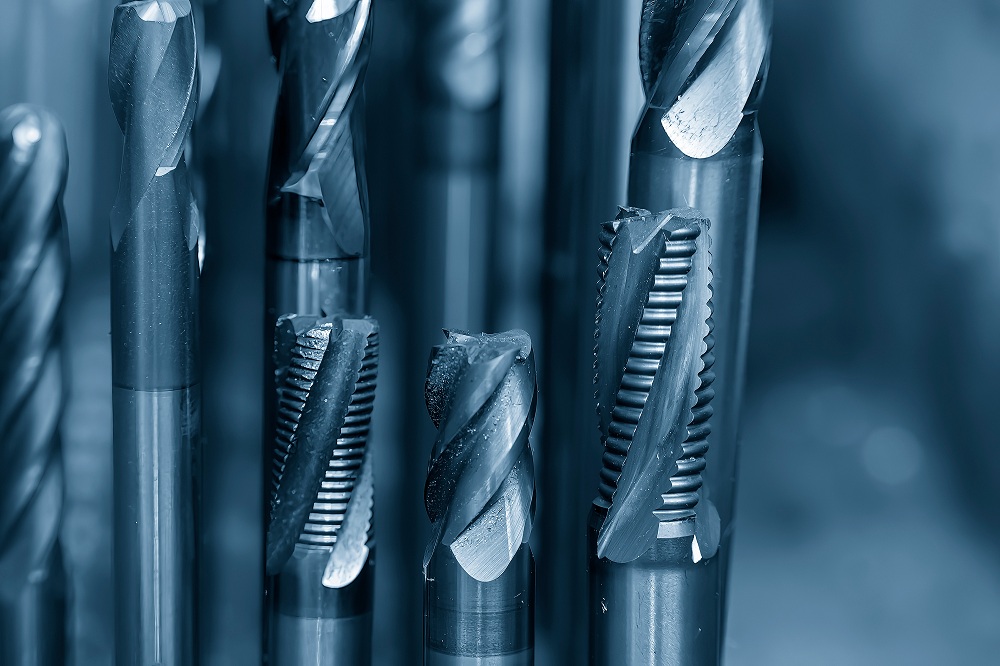
Tool life directly impacts both machining accuracy and product quality. For this reason, understanding and managing tool life properly is essential for maintaining productivity and keeping costs under control. When you use tools for too long, machining precision drops and the risk of producing defective parts increases. On the other hand, replacing tools too early leads to unnecessary expenses and wasted resources.
Ultimately, being able to understand and manage tool life accurately is one of the most effective ways to improve product quality and overall cost performance on the production floor. In this article, we’ll take a closer look at what tool life is and how you can manage it more effectively.
1. WHAT IS TOOL LIFE?
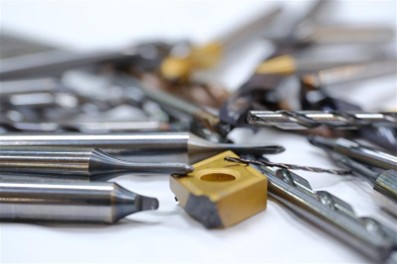
Tool life refers to the period or number of cycles you can use a tool before you need to replace it. Since it directly affects machining accuracy and product quality, understanding it correctly is important.
As you continue using the tool, its cutting performance gradually deteriorates, causing dimensional inaccuracies or rough surface finishes. These changes clearly indicate that you need to replace the tool. By accurately identifying the end of a tool’s life, manufacturers can avoid unnecessary replacements and maintain consistent product quality.
Differences in Tool Life by Tool Type and Cause of Damage
We assess tool life differently depending on the type of tool we’re using. The tool material and the workpiece material also play major roles in how long the tool will last. By understanding how to evaluate each type of tool properly, you can manage tool life much more accurately.
・Turning Tools (Lathe Cutting Tools)
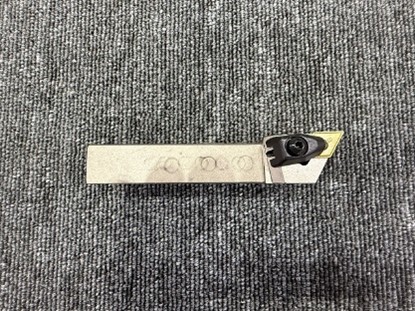
We use turning tools on lathes mainly for external and internal machining. Tool wear, especially at the cutting edge, is a key indicator of tool life. As wear progresses, dimensional accuracy deteriorates and surface roughness increases. That’s why regular inspection of tool wear is essential. In high volume or continuous machining environments, wear accelerates, making it especially important to monitor tool usage time or the number of operations performed to ensure timely replacement.
- ・Wear
- ・Chipping and breakage
- ・Thermal deformation
・Drilling Tools
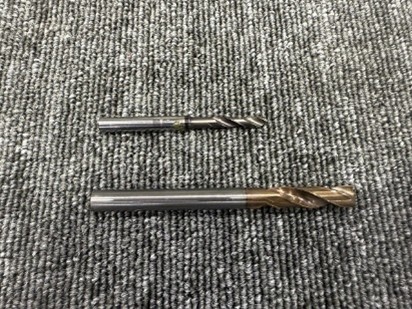
We use drilling tools to create holes in workpieces, and typically judged the tool life based on changes in hole diameter or deviations in hole position. As the tool wears, holes tend to get smaller and the surface finish becomes rougher, so you need to check dimensions carefully after machining. This is especially important in deep-hole drilling, where cutting forces are significantly higher, accelerating tool wear. Optimizing cutting conditions is key to extending tool life.
- ・Tip wear
- ・Breakage
- ・Runout and eccentricity
・End Mills (Milling Tools)
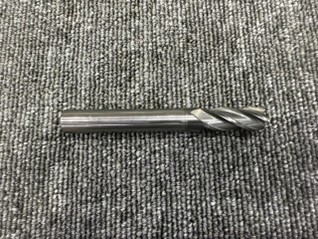
End mills are commonly used for milling operations such as facing and side cutting. We typically assess tool life by observing changes in surface finish and listening for unusual cutting noises. As the tool wears, surface roughness increases, and machining vibration becomes more noticeable; therefore, it becomes essential to inspect the finished surface regularly. Especially, tool wear accelerates significantly when machining harder materials. In such cases, selecting the appropriate tool material and coating becomes critical for maintaining tool performance and extending its lifespan.
- ・Flank wear (Side wear)
- ・Chipping (Micro breakage)
- ・Vibration-Induced damage
2. HOW TO MEASURE AND MANAGE TOOL LIFE?
By understanding tool life and how to manage it effectively, you can accurately determine the right timing for tool replacement, helping to avoid unnecessary waste and maximize tool usage.
Methods for Measuring Tool Life
To determine tool life, the basic approach is to check the wear condition and machining accuracy. Traditionally, engineers checked tool life by visually inspecting the machined surface or by using measuring instruments to verify part dimensions after machining. However, nowadays, they also use methods that monitor motor load during processing.
Recent innovations include using sensors to analyze cutting sounds and vibrations in real time, allowing for more precise and non-invasive tool condition monitoring. Furthermore, AI-based systems are increasingly being used to predict tool life. These technologies can estimate the optimal timing for tool replacement without relying solely on the experience or intuition of skilled operators—making high-level maintenance accessible to a broader range of users.
Techniques for Effective Tool Life Management
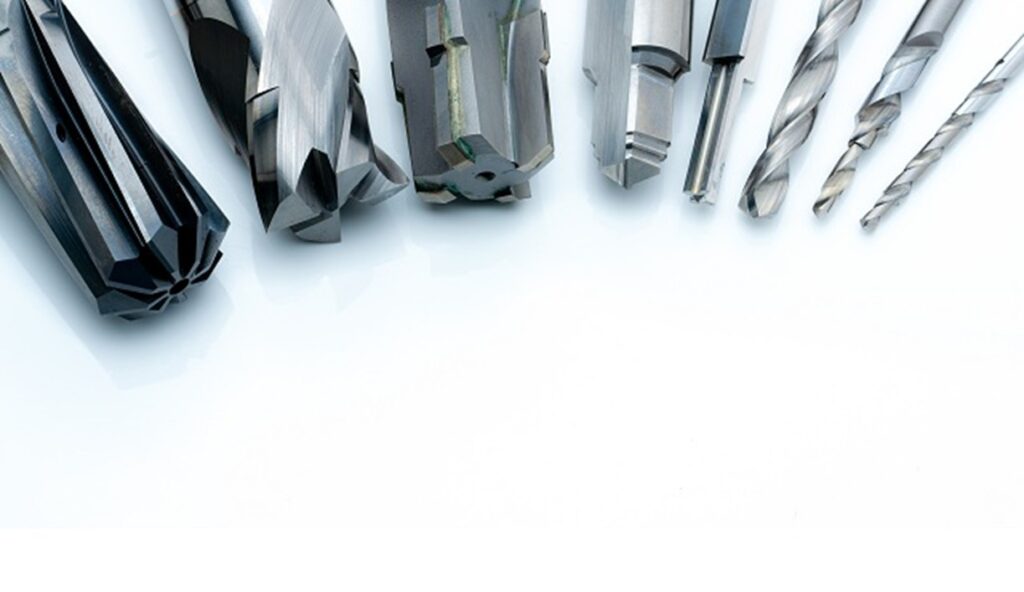
There are several approaches to managing tool life. Choosing the right method depends on your production environment, cost considerations, and quality requirements.
・Corrective Maintenance
Corrective maintenance means you replace a tool only after it completely wears out. It’s simple, but it also increases the chance of defects and unexpected downtime. Because of that, it’s not suitable for environments where sudden problems are unacceptable. Even so, it can still be a practical option when you want to keep costs down or when the machining accuracy requirements aren’t too strict.
・Preventive Maintenance
Preventive maintenance means replacing a tool once it hits a set number of hours or machining cycles. It helps you avoid unexpected issues and keep quality stable. The trade‑off is that you may replace tools earlier than necessary, which can make tooling costs a bit higher.
・Predictive Maintenance
Predictive maintenance helps you replace tools at the right time based on real machining data. For example, you can monitor motor load during cutting and receive an alert when it reaches a preset threshold. You can also use sensors and AI to track tool condition in real time and decide the best moment to change the tool.
By looking at indicators such as wear, vibration, and temperature, you can reduce unnecessary tool changes while preventing defects and unexpected downtime. Thanks to recent advances in IoT technology, more and more factories are adopting predictive maintenance.
Many of our customers use the load-monitoring function to detect tool life. This allows them to understand tool wear from load changes during machining and replace tools at the optimal time
3. FIVE KEY POINTS TO EXTEND TOOL LIFE
Tools’ lifespans can be significantly extended by reviewing machining conditions, selecting the right tools, and applying effective daily management practices.
Here, we introduce five practical tips that can be implemented on the shop floor.
① Review Machining Conditions
If your cutting speed, feed rate, or depth of cut isn’t set correctly, the tool is placed under excessive load and its lifespan becomes shorter. By reviewing and optimizing your machining conditions, you can slow down tool wear and make your tools last longer. It’s especially important to adjust these conditions to match the hardness and shape of the material you’re machining.
If you notice unusual noises or vibration during machining, it may be a sign that your conditions aren’t appropriate, so it’s best to review them as soon as possible.
② Choose the Right Tool Material and Coating
The material and coating of a tool have a major impact on its lifespan. When you’re machining harder materials, choosing a tool with high wear resistance or a coating that can withstand heat helps prevent excessive wear and extend tool life.
Recently, coatings such as TiAlN and DLC have gained attention. By selecting a coating that matches your machining conditions, you can get the most out of your tool’s performance.
③ Optimize the Use of Cutting Oil
Cutting fluids help cool and lubricate the tool. By choosing the right type of fluid and the right delivery method, you can reduce friction and heat generation, which in turn helps minimize tool wear. Using an approach that matches your machining process—such as mist cooling or high‑pressure supply—can significantly extend tool life.
It’s also important to maintain the cutting fluid properly. If the fluid becomes dirty or starts to deteriorate, its effectiveness drops, so regular replacement and cleaning are necessary.
④ Check the Condition of Machines and Tool Holders
The condition of the tool, the machine, and even the tool holders all affect tool life. If the spindle has runout or the holders become loose, vibration can occur during machining, putting unnecessary stress on the tool.
By checking machine accuracy regularly and making sure your tool holders are tightened and not worn out, you can maintain a stable setup and help your tools perform at their best.
⑤ Perform Regular Inspections and Keep Accurate Records
Regularly checking the condition of your tools and keeping a record of their usage helps you understand their wear patterns and overall lifespan. By tracking how much a tool wears during each machining operation and when it was replaced, you can make tool management much easier the next time.
Nowadays, tool‑management software and IoT devices can automatically record and analyze this data, allowing you to manage tool life more efficiently.
4. INDUSTRY-SPECIFIC TRENDS AND CHALLENGES IN TOOL LIFE
Tool life management methods vary significantly depending on the industry and the type of machining involved. Differences in the materials being processed and the required precision affect how tools are used and when they should be replaced. Here, we introduce the typical characteristics and challenges for some key industries.
Automotive Component Machining

In automotive parts machining, high‑volume production and consistent quality are essential. When tool life is short, it can lead to line stoppages and defective parts, which is why both preventive and predictive maintenance are heavily prioritized. Because hard metals are often machined at high speeds, tools with high wear resistance and advanced coatings are commonly used. Optimizing machining conditions and replacing tools at regular intervals are key factors in maintaining stable and efficient production.
Precision Equipment Machining
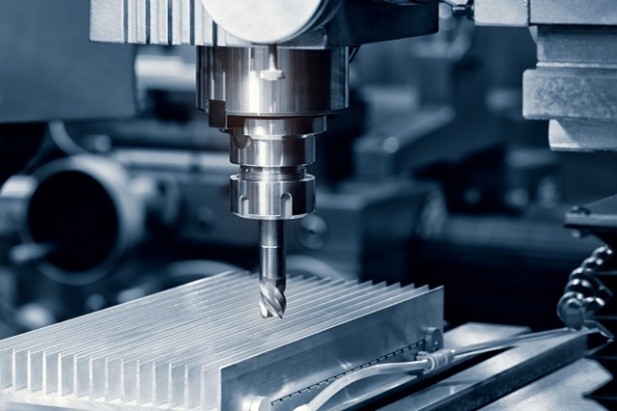
In precision equipment machining, extremely tight tolerances and high‑quality surface finishes are essential. Even a small amount of tool wear can affect product accuracy, so tool life is managed with particular care. Because accuracy is prioritized over machining speed, it’s important to check tool wear frequently and in detail. In some facilities, inspections using sensors or microscopes are also implemented to monitor tool condition more precisely.
Mold Machining
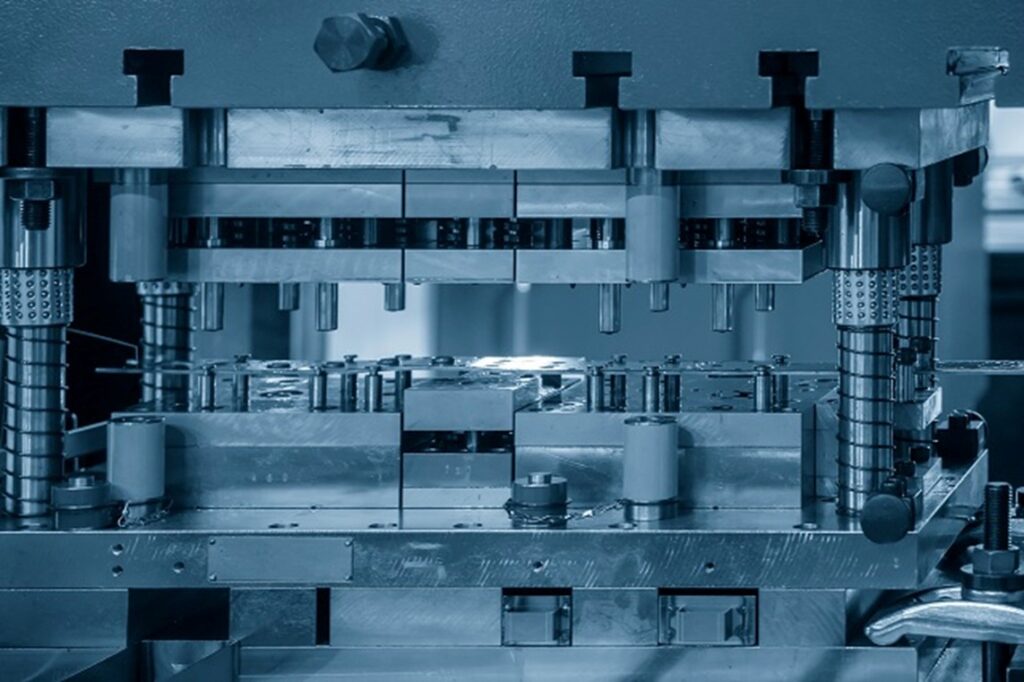
In mold machining, you often work with very hard materials, which puts a heavy load on the cutting tools. As a result, tool life tends to be shorter, and highly durable tools are required. Since machining times are often long, proper cooling and lubrication become especially important. Choosing the right cutting fluid and selecting tools that match the machining conditions play major roles in extending tool life.
5. TOOL LIFE AND ITS IMPACT ON COST AND QUALITY
If tool life isn’t managed properly and the tool wears out too quickly, you’ll end up replacing tools more often, which increases both tooling costs and the time spent on tool changes. On top of that, if you continue using a tool after it has reached the end of its life, machining accuracy drops and defective parts become more frequent. This leads to additional costs for rework or scrap. All of these issues combined can push overall production costs higher.
On the other hand, when you manage tool life correctly, unnecessary replacements are reduced and your work becomes more efficient. As a result, you can maintain stable production while keeping costs under control.
Examples of Cost and Quality Improvements Through Tool Life Management
There are many real cases where managing tool life properly has led to better productivity. For example, by reviewing machining conditions or introducing predictive maintenance, some manufacturers have been able to reduce the number of tool changes and shorten overall machining time.
In addition, keeping detailed records of tool usage has helped identify the optimal timing for tool replacement, which in turn has contributed to lower defect rates.
6. CONCLUSION
Tool life is a key factor that directly affects quality, cost, and efficiency on the production floor. By understanding tool life correctly—and by measuring, managing, and extending it in the right way—you can reduce unnecessary tool changes and achieve more stable, efficient production. Adapting tailored approach to your specific industry and machining requirements makes tool‑life management even more effective.
Effective tool‑life management often starts with small improvements in daily operations, but those small steps can lead to significant results. Begin by reviewing your current tool‑life practices and look for areas where you can start making improvements today.
Recommended Whitepaper

Unleashing the Potential of Process Integration
This digital booklet includes an introduction to Process Integration, the benefits you deserve, and real case studies.
Supervisor of This Article

Takuro Kakeyama / Manager
After completing his graduate studies, he joined Nakamura-Tome Precision Industry Co., Ltd. as a sales engineer. He then spent approximately 15 years stationed overseas, working on a wide range of operations and applications across more than 10 countries, including Germany and the United States. Currently, he serves in the Sales Marketing Section, dedicated to supporting customers both domestically and internationally. Leveraging his certification as a First-Class Machining Technician and extensive hands-on experience, he continues to contribute to manufacturing excellence on the shop floor.
